
Every coach eventually asks the same question: what should I sell besides my time? The standard answer for a decade was "make a course" — record your method, put it behind a checkout, earn while you sleep.
That answer is aging badly. Not because coaching demand fell — it didn't — but because information stopped being scarce. Generic how-to content is now free, instant, and infinite. What a search engine or a template library can't provide is the reason coaching exists at all: structure, accountability, and someone who notices whether you did the work.
The digital products winning in 2026 are the ones that package that — not information.
What's fading
Ebooks and template packs ($9–$49). Fine as lead magnets; weak as products. When comparable information is a free search away, a PDF's price ceiling keeps dropping. Worse, a PDF generates no relationship — no cohort, no result you can point to, no path to your coaching.
Large self-paced courses ($200–$2,000). The hardest truth in the creator economy: most buyers never finish them. Self-paced completion commonly lands between 5% and 15%, and an unfinished course produces no testimonial, no referral, and no repeat buyer (why completion gates everything). The "record once, sell forever" dream also assumed price stability that no longer exists — static libraries are being discounted into oblivion.
One-off webinars as the sales engine. Still functional for warm lists, but conversion has been eroding for years as audiences learned the format's rhythm.
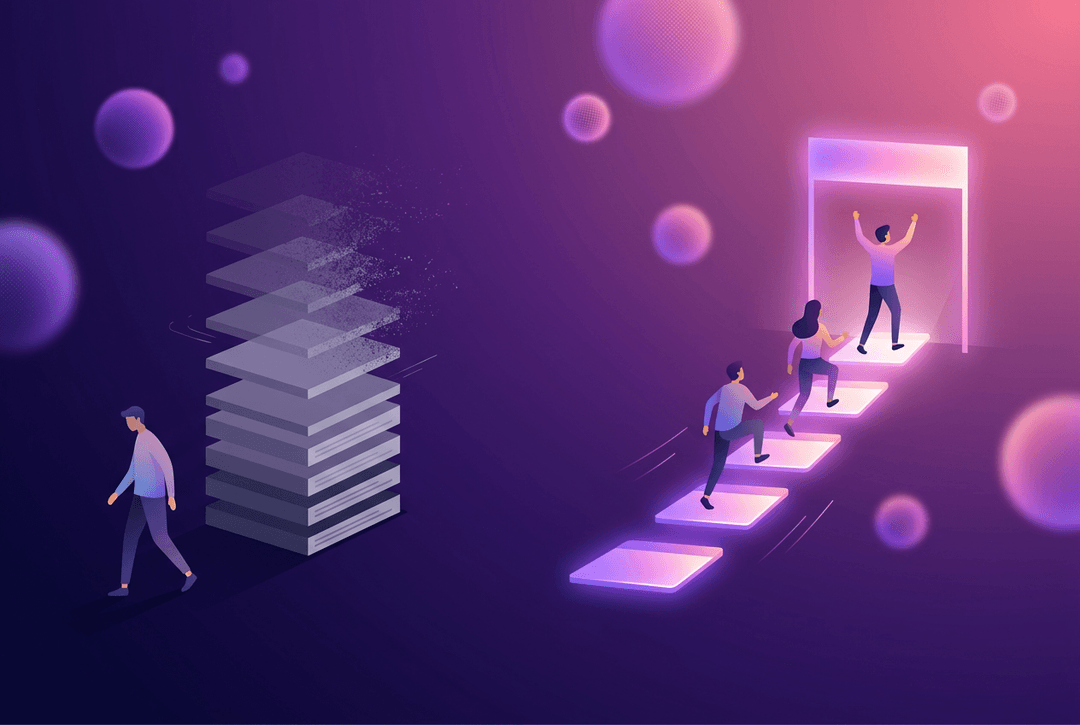
The pattern: everything fading is passive. The buyer consumes alone, on no schedule, with no one watching.
What's selling
Paid challenges ($49–$297). Short, time-boxed sprints — 5 to 21 days — with one task per day and a cohort moving together. They get finished, which makes them everything a static product isn't: a testimonial factory, a trust accelerator, and a front door to bigger offers. They also monetize twice — the fee itself, plus the finishers who step up into your high-ticket program.
Cohort-based programs ($300–$2,000). Your old course curriculum, run with fixed dates and a group. Same content, different container, dramatically different outcomes — cohorts command premium prices precisely because completion and results are the product.
Communities and memberships ($29–$199/month). Recurring revenue from ongoing access: a space, a monthly rhythm (calls, hot seats, monthly mini-challenges), and peers. Retention is the whole game here, and the retention lever is the same one everywhere else in this post: regular shared activity beats a content vault.
The pattern: everything selling is active and social. Deadlines, cohorts, accountability — the things that can't be commoditized.
The 2026 product ladder
You don't pick one of these. You stack them:
| Rung | Product | Price | Job |
|---|---|---|---|
| 1 | Free content + lead magnet | $0 | Attention |
| 2 | Paid challenge | $49–$297 | Convert audience into buyers with a fast result |
| 3 | Community / membership | $29–$199/mo | Keep finishers in your world, recurring revenue |
| 4 | Cohort program or 1:1 coaching | $1,000+ | Deep transformation, top margin |
The challenge rung is the one most coaches are missing, and it's the one that makes the rest work: it turns followers into customers cheaply, and each cohort ends with a wave of warm buyers for rungs 3 and 4. A quarterly challenge cadence gives the whole ladder a heartbeat — four revenue spikes a year, each refilling the membership between them.
If you're starting from zero (or from a course that isn't selling)
- Pick one outcome your audience wants this month — small, concrete, achievable in a week ("first 3 discovery calls booked," "7 days of workouts done," "course topic validated").
- Package it as a 5–7 day paid challenge at $49–$99. Don't build the membership or the flagship program yet; the challenge will tell you what they should be. Calibrate price with this guide.
- Run it live once. Small cohort is fine — 15 people who finish beat 150 who lurk.
- On the final day, ask finishers what they want next. That answer is your rung-3 and rung-4 roadmap, pre-validated by paying customers.
If you already have a course gathering dust, the move is even simpler: extract its first milestone into a challenge and put it in front of the course. The course stops being a static library and becomes the upgrade path.
The infrastructure rung, handled. Chalzy is built for exactly this ladder: describe your challenge once and it generates the daily content, assignments, emails, and images in under 10 minutes — then runs enrollment (free or paid via Stripe), daily unlocks, leaderboards, live sessions, and cohort analytics. Take the 2-minute quiz to find the challenge type that fits your coaching business.